




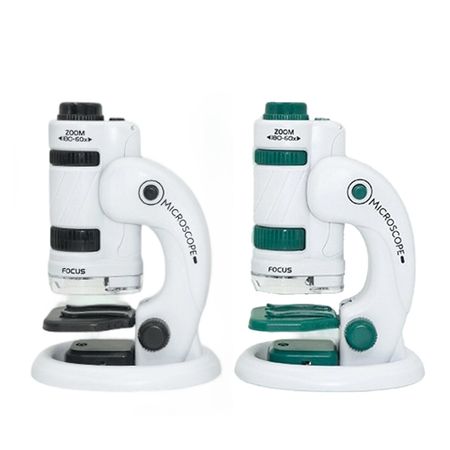

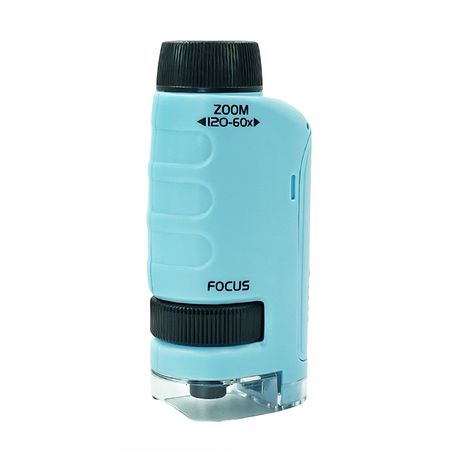

Why Microscopes Are One of the Best STEM Toys for Kids
In a world filled with screens, apps, and digital distractions, many parents are searching for toys that do more than entertain. They want tools that teach, engage, and spark real curiosity. That’s where microscopes stand out as one of the best STEM toys for kids.
1. Microscopes Encourage Real Hands-On Learning
STEM learning is most effective when children can see, touch, and explore on their own. A microscope allows kids to interact directly with the world around them—examining leaves, insects, fabric, food, and everyday objects up close.
Instead of memorizing facts, children learn by observing real details. This hands-on experience helps them understand how science works in the real world, not just in textbooks.
2. They Spark Natural Curiosity and Questions
Children are naturally curious. A microscope turns simple questions like “What does this look like up close?” into exciting discoveries.
When kids use a microscope, they begin asking deeper questions:
-
Why do leaves have patterns?
-
How are insect wings structured?
-
Why does fabric look different under magnification?
These questions are the foundation of scientific thinking—and they come naturally when children are given the right tools.
3. Microscopes Support Core STEM Skills
Using a microscope helps children develop essential STEM skills, including:
-
Observation and attention to detail
-
Critical thinking and problem-solving
-
Basic scientific methods like comparison and analysis
These skills are valuable far beyond science class. They support logical thinking, patience, and curiosity—abilities children will use throughout their education.
4. Screen-Free Learning Parents Can Trust
Many parents worry about excessive screen time. A microscope offers a screen-free learning experience that keeps kids engaged without relying on tablets or phones.
With no apps or games involved, children slow down, focus, and interact with the physical world. Parents can feel confident knowing their child is learning in a healthy, balanced way.
5. Suitable for a Wide Age Range
Microscopes are one of the few STEM toys that grow with children. Younger kids enjoy simple observation, while older children can explore more detailed structures and experiments.
This makes microscopes especially suitable for kids ages 6–12, offering long-term value rather than short-term novelty.
6. Learning That Feels Like Play
Perhaps the biggest reason microscopes work so well as STEM toys is that kids don’t see them as “schoolwork.” Exploration feels like play, and learning happens naturally along the way.
When children are excited to discover something on their own, learning becomes meaningful—and memorable.
Final Thoughts
A microscope is more than just a science toy. It’s a tool that encourages curiosity, supports STEM learning, and helps children see the world in a new way.
For parents looking to inspire a love of learning while limiting screen time, microscopes remain one of the most valuable and rewarding STEM toys available.
Related Products
Kids Science Microscope Kit
- $23.00
-
$59.00 - $23.00
-
BLACK
-
GREEN